Tag Archives: #GSTRegistration

Can I use a single GST number for selling products and services?
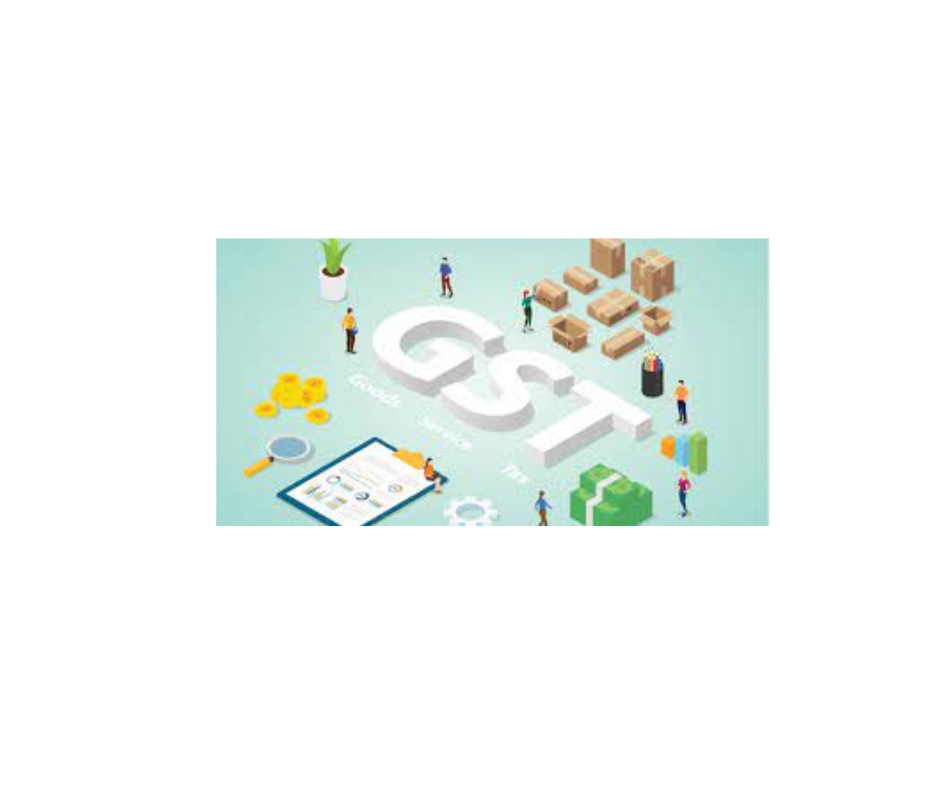
Can I Use a Single GST Number for Selling Products and Services   In India, the Goods and Services Tax (GST) is a comprehensive tax system that has streamlined the taxation process for businesses. A common question among entrepreneurs and small business owners is whether they can use a single GST number for selling both… Read More »

What are the things one should know about GST?

Basics of GST   Basics of GST, Goods and Services Tax, is a comprehensive indirect tax that was introduce in India on July 1, 2017, with the aim of simplifying the tax structure and eliminating multiple layers of taxation. Here are some key things one should know about GST: 1.GST is a destination-based tax: GST… Read More »

Can an individual person get registered under GST in India to sell online?

GSTRegistration for individuals   GSTRegistration for individuals Yes, an individual person can get registered under GST in India to sell online. Businesses with an annual turnover exceeding Rs. 40 lakhs (or Rs. 20 lakhs in special category states) are required to mandatorily register for GST. In certain instances, individuals whose annual turnover falls below the prescribed… Read More »

How is the GST registration done for multiple states?

GST registration for multiple states Introduction The Goods and Services Tax (GST) is a unified tax imposed on the sale of goods and services across India. Businesses operating in multiple states must comply with state-wise GST registration to ensure seamless taxation and compliance. Understanding the GST registration process for multiple states is crucial for businesses… Read More »

Q236 Company registration for GST: Is company registration mandatory for GST registration?

Company registration for GST Yes, company registration is mandatory for GST registration in India. Only entities that register under a legal structure recognize by the Indian law can apply for GST registration. This includes companies registered under the Companies Act, 2013, as well as other types of entities such as LLPs (Limited Liability Partnerships), partnerships,… Read More »