Tag Archives: #TaxPlanning

Valuation of assets for Estate tax Purposes?

Estate Tax Valuation Valuation of assets for estate tax purposes is an important step in determining the estate tax liability when an individual passes away. The value of assets included in the decedent’s estate is used to calculate the estate tax owed to the government.   Here are some key points regarding the valuation of… Read More »

CA valuation Certificate?

  CA valuation certificate A CA valuation certificate refers to a valuation report or certificate issued by a Chartered Accountant (CA) regarding the valuation of assets or businesses. Chartered Accountants who specialize in valuation services assess the value of assets, businesses, or other financial instruments and provide their professional opinion in the form of a… Read More »

LLP ITR filing requirements: LLP to file which ITR ?

LLP ITR filing requirements   Limited Liability Partnerships (LLPs) have gained popularity as a flexible and advantageous business structure for entrepreneurs and small businesses. However, like any other business entity, LLPs are subject to certain income tax filing requirements imposed by the tax authorities. Let’s explore this topic to understand the intricacies of LLP ITR… Read More »

What is 15CA?

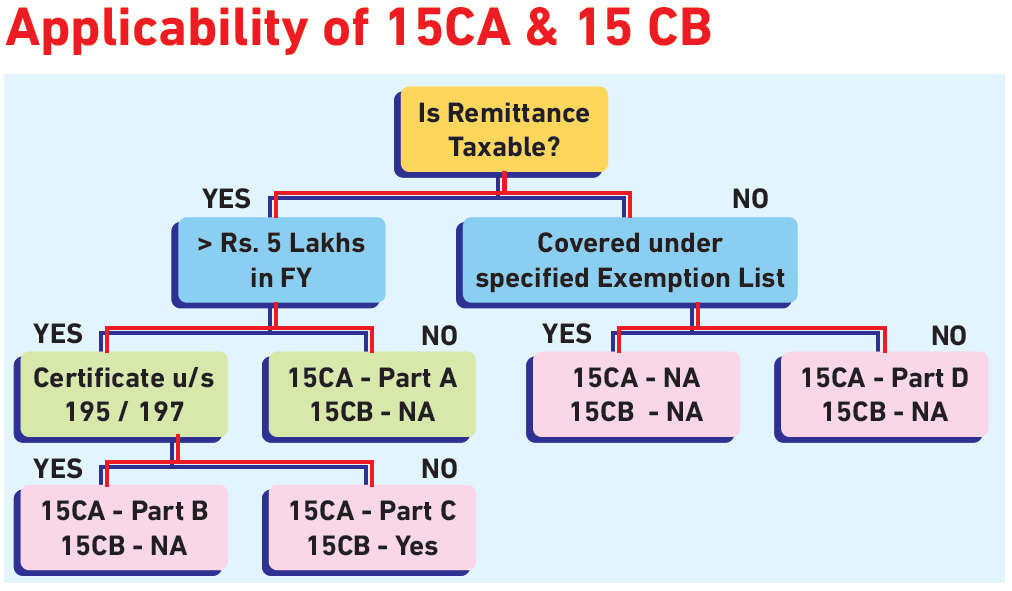
Form 15CA  Form 15CA is a declaration form require by the Indian government for certain types of international transactions involving the transfer of money to non-resident individuals or entities. Here’s an explanation of Form 15CA: 1. Purpose: This is used to provide information about the remittance being made to a non-resident or foreign entity. It… Read More »

What are the requirement 15CA/CB certificate?

  15CA/CB certificate   15CA/CB certificate, The requirements for obtaining the 15CA and 15CB certificates vary based on the nature of the transaction and the guidelines set by the Indian tax authorities. Here are the general requirements for each certificate: Form 15CA Requirements: 1. PAN (Permanent Account Number): The person making the remittance (remitter) must… Read More »

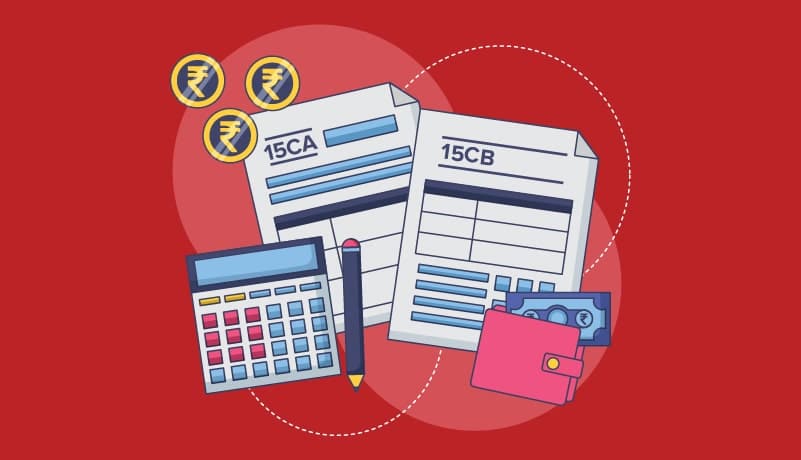
What is 15CA and 15CB certificate?

    15CA and 15CB certificate   15CA and 15CB certificate is essentially  by a Chartered Accountant (CA) that verifies the tax liability related to the foreign remittance. It acts as an additional safeguard for the Income Tax Department to ensure that all taxes have been appropriately paid before the remittance is sent outside India.… Read More »

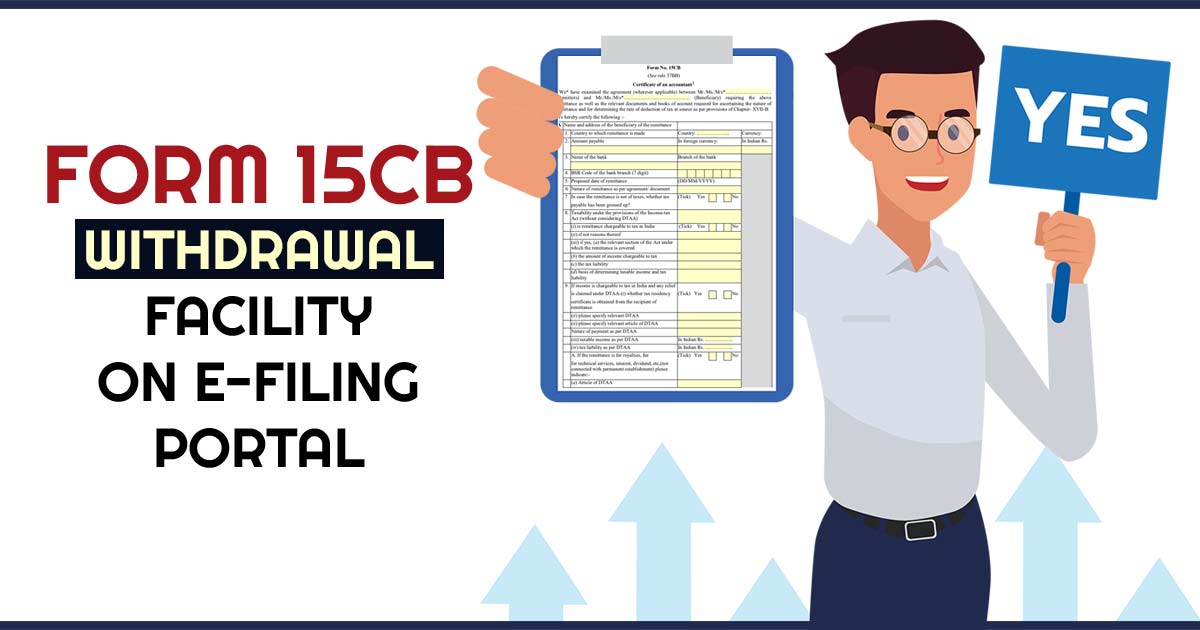
What is 15CB?

    User Intent Users searching for Form 15CB are likely looking for an in-depth understanding of its purpose, application, and benefits. They might be tax payers, accountants, or business owners dealing with foreign remittances who need to know when and how to use this form. This article provides a step-by-step explanation to help them… Read More »

Differences between 15CA and 15CB?

  User Intent Users searching for differences between Form 15CA and 15CB are likely individuals or businesses dealing with international transactions, remittances, or tax compliance in India. They want clarity on when to use each form, their applications, benefits, and limitations. Introduction When making payments to a non-resident outside India, compliance with income tax regulations… Read More »

What is book keeping accounting?

Book Keeping   Book keeping is a subset of accounting and refers to the process of recording and organizing financial transactions of a business. It involves systematically recording the financial activities such as sales, purchases, receipts, and payments in appropriate books or electronic records. Accounting, on the other hand, encompasses a broader set of activities… Read More »

15CA/CB compliance?

15CA/CB Compliance   15CA/CB compliance involves adhering to the legal obligations established by the Indian government regarding the transfer of funds from residents to non-residents. It involves the submission of Form 15CA and obtaining Form 15CB to ensure proper reporting and taxation of cross-border transactions. To achieve 15CA/CB compliance, the following steps need to be… Read More »