Tag Archives: #TaxPlanning

Should I pay capital gain to income tax?

Tax planning for property Sale Tax planning for property sale, Capital gains tax: As an 80-year-old individual who is selling his own earn immovable property. May be liable to pay capital gains tax on the sale, depending on the specific details of the transaction. Capital gains tax is a tax levy on the profit earn… Read More »


What are the requirements for an investment to be eligible for tax benefit under Section 80C of the Income Tax Act?

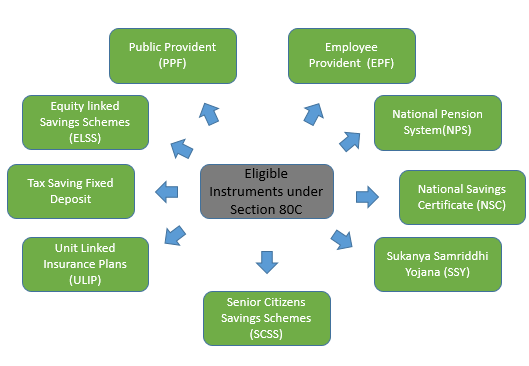
Tax benefit under Section 80C   Understanding Tax Benefits Under Section 80C of the Income Tax Act Tax planning is crucial for optimizing savings and reducing tax liabilities. One of the most popular sections for claiming deductions is Section 80C of the Income Tax Act. To take advantage of these benefits, it’s essential to understand… Read More »

What is the difference between GST and income tax?

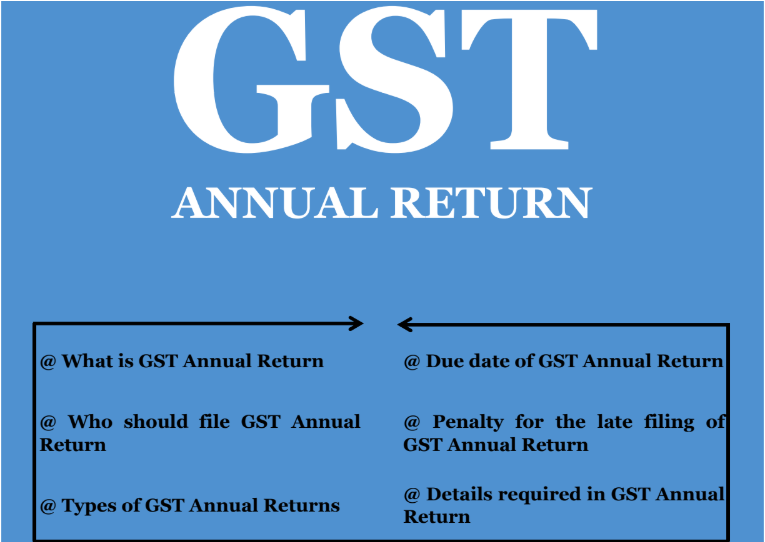
GST and Income Tax         It follows a consumption-based model, where tax is collect at each stage of the supply chain, from the manufacturer to the end consumer. GST replaces multiple indirect taxes such as excise duty, service tax, and VAT, with the objective of establishing a unified market throughout the country… Read More »

What is the difference between section 112 and 112A of the Income Tax Act, 1961?

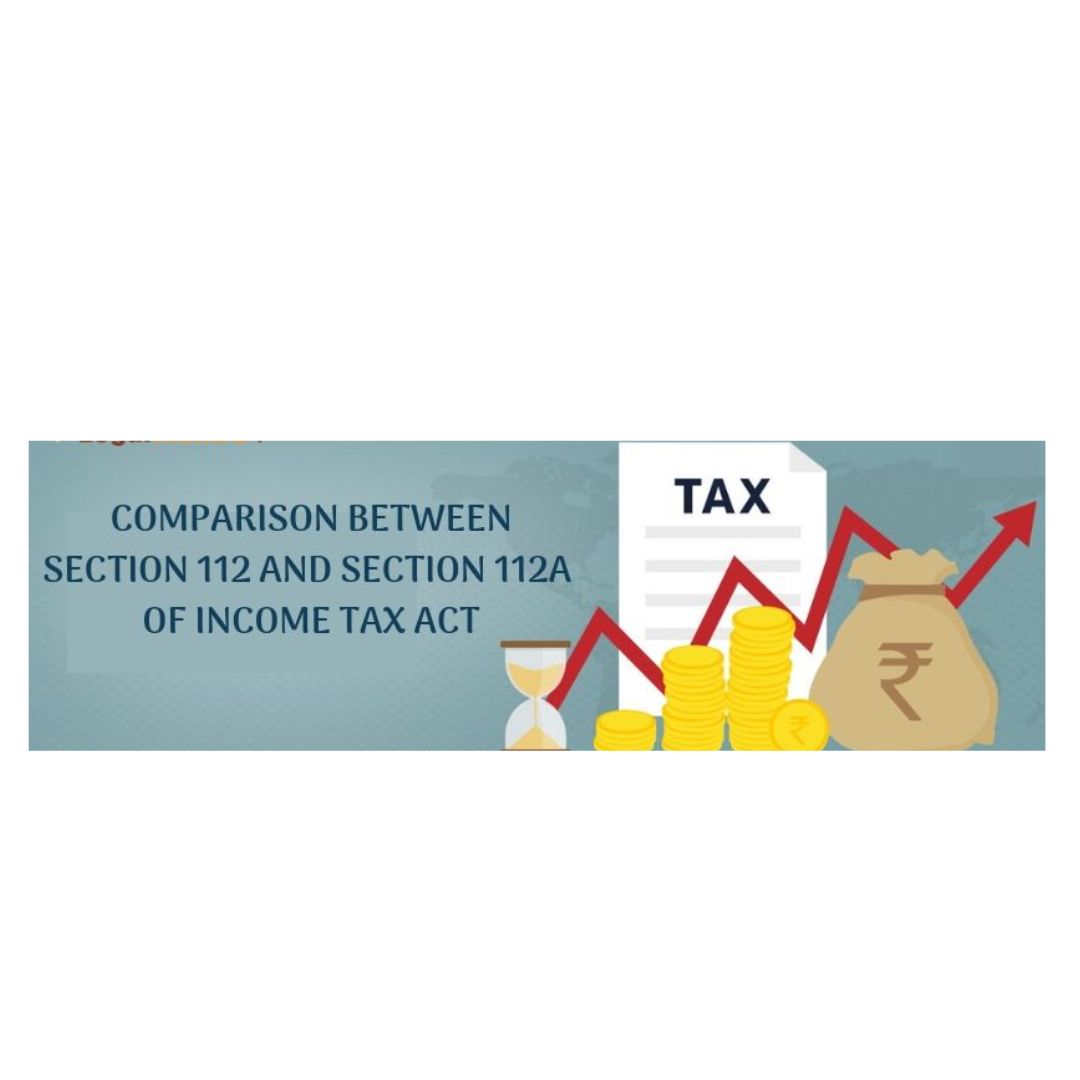
Introduction The Income Tax Act, 1961, governs taxation laws in India and includes various provisions for computing capital gains tax. Two crucial sections related to long-term capital gains (LTCG) are Section 112 and Section 112A. While both sections pertain to taxation on LTCG, they have different applicability, benefits, and limitations. Understanding their distinctions helps taxpayers… Read More »

What are the benefits of the Employees’ Provident Fund (EPF) and the Employees’ Pension Scheme (EPS)?

Advantages of EPF and EPS   Advantages of EPF and EPS, The Employees’ Provident Fund (EPF) and Employees’ Pension Scheme (EPS) are social security schemes designed to provide financial security to employees during retirement or in the event of their unfortunate demise. These schemes offer several benefits, including: Retirement benefits: Upon retirement, employees receive a… Read More »

What is the objective of tax audit?

Tax Audit Introduction Taxation is a critical component of a country’s economy, ensuring revenue generation for public welfare and infrastructure development. However, to maintain transparency, accuracy, and compliance with tax laws, businesses and individuals must adhere to regulatory audits. One such essential audit is the Tax Audit. The objective of a tax audit is to… Read More »