Tag Archives: #WealthAccumulation

Tax planning vs tax preparation?
Tax Planning: Tax planning involves proactive strategies and actions taken throughout the year to minimize tax liability and optimize financial outcomes. It focuses on analyzing the taxpayer’s financial situation, exploring tax-saving opportunities, and implementing strategies to legally reduce taxes. Tax planning aims to strategically manage financial affairs, take advantage of applicable tax laws and provisions,… Read More »
Tax planning vs tax compliance?
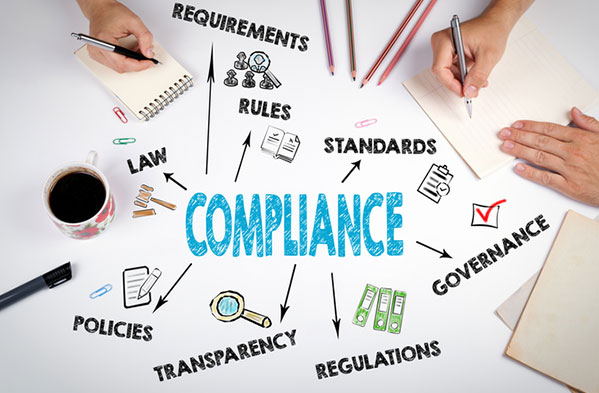
Tax planning vs tax compliance Tax planning vs tax compliance, Here’s a comparison between tax planning and tax compliance: Taxation Planning: Tax planning involves strategic decision-making and the implementation… Read More »
Are gst trusts revocable?

Introduction Generation-Skipping Trusts (GST) have become a popular estate planning tool, especially for individuals seeking to preserve wealth and pass it down to future generations with minimal tax liability. The primary objective of a GST trust is to bypass one generation and transfer wealth directly to the next (usually grandchildren), avoiding estate taxes that… Read More »
What are tax planning strategies?
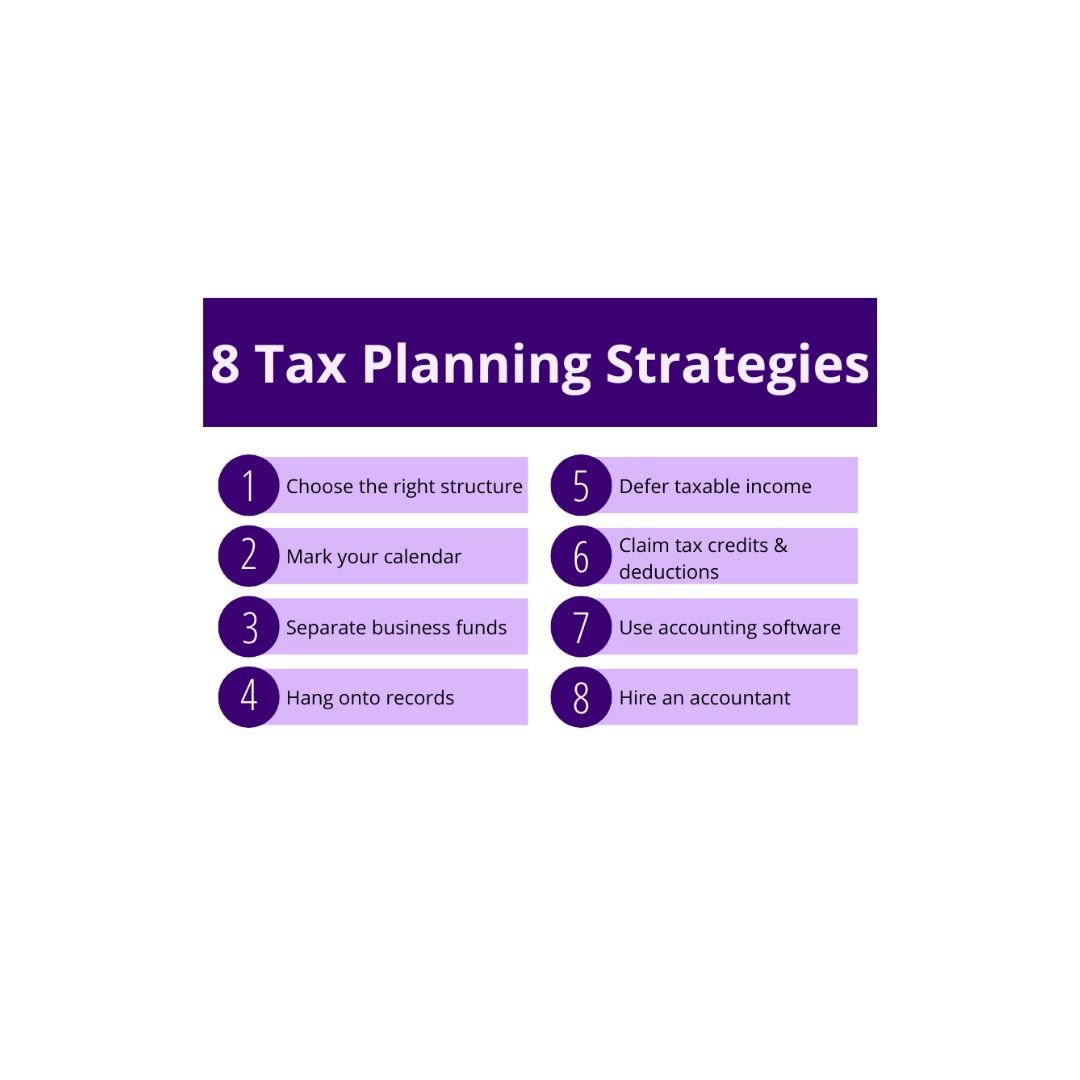
Tax planning strategies Tax planning strategies involve various techniques and approaches to legally minimize tax liabilities and optimize a taxpayer’s financial situation. Here are some common tax planning strategies: Income Deferral: Delaying the receipt of income to a later tax year, such as deferring bonuses or income from investments, can help lower your taxable income… Read More »
What are Capital Gains and what is a Capital Asset?

Capital Gains and Capital Asset Capital Gains refers to the profit made by an individual or an entity when they sell a capital asset, such as property, stocks, or mutual funds, at a higher price than its purchase price. A capital asset is any asset that an individual or an entity owns for personal or… Read More »
What’s financial management?

Financial Management Financial management: It refers to the process of planning, organizing, controlling, and monitoring the financial resources of an organization to achieve its goals and objectives. It involves making decisions about how to raise and allocate funds, invest resources, and manage risks to maximize the organization’s value and financial performance. The key areas of… Read More »
What is the difference between Asset and Property?

Difference Between Asset and Property Assets can be define in two category tangible (such as property, equipment, or inventory) or intangible (such as patents, copyrights, or goodwill). Property, on the other hand, refers specifically to real estate, which is land and any structures. That are permanently attached to it, such as buildings, homes, and commercial… Read More »
What is capital gain tax in India a simple way with examples in

Capital gain tax in India Capital gains tax is a tax levied on the profit realized from the sale of an asset. In India, capital gains tax is divided into two categories – short-term capital gains and long-term capital gains. Short-term capital gain tax in India is applicable when an asset sell within 2 years… Read More »
What is a long-term equity investor?

Long-term equity Investor Investing in the stock market can take many forms, but one of the most well-established strategies is that of the long-term equity investor. These investors focus on purchasing stocks with the intention of holding them for an extended period, often years or even decades. This approach contrasts with short-term trading strategies that… Read More »