Tag Archives: #LLPCompliance

LLP and Private Limited Company Difference
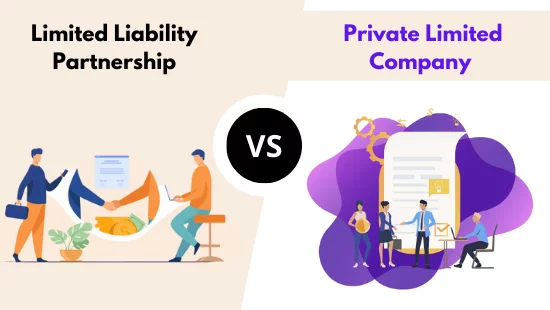
LLP and Private Limited Company   Key differences between an LLP and Private Limited Company (often referred to as Pvt Ltd or Ltd): 1. Legal Structure: An LLP is a partnership where the partners have limited liability, while a Private Limited Company is a separate legal entity distinct from its shareholders. 2. Ownership: In an… Read More »


LLP Limitations

LLP Limitations   Here are some common limitations associated with LLPs: 1. Formation Complexity: The process of forming an can be more complex and time-consuming compared to other business structures. It typically involves filing registration documents, preparing a partnership agreement, and complying with specific statutory requirements. The requirements for formation may vary by jurisdiction. 2.… Read More »

Do LLP need legal requirements?

Do LLP need legal requirements   Yes, a Limited Liability Partnership (LLP) is required to meet various legal requirements in India. LLPs combine features of a partnership and a company, offering flexibility and limited liability protection to its partners. However, like any business entity, LLPs must adhere to specific legal obligations to operate lawfully and… Read More »

What is the LLP master data ?

LLP master data The term “LLP Master Data” denotes the fundamental information and particulars concerning a Limited Liability Partnership (LLP) that has got duly registration in India. It includes the basic information about the LLP, its partners and other key details. Here are the components typically included in this topic: 1.LLP Identification: This section provides… Read More »

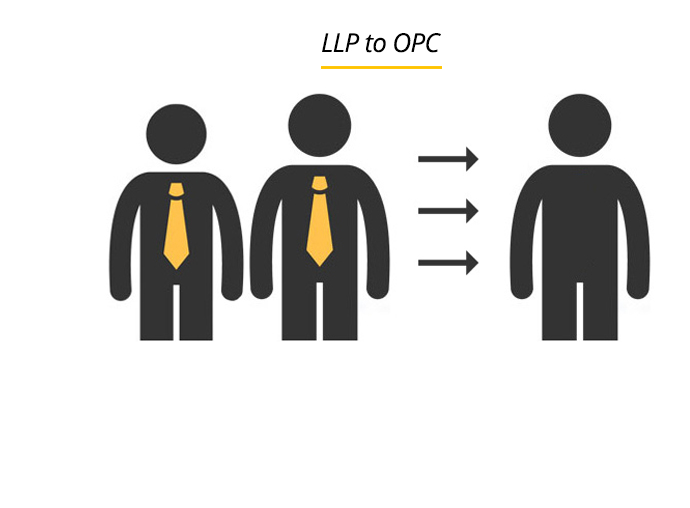
How can an LLP convert into OPC?

How can an LLP convert into OPC   As businesses evolve, their structures often need to adapt to changing goals, ownership, and regulatory environments. One common transition is converting a Limited Liability Partnership (LLP) into a One Person Company (OPC). This article will guide you through the process, highlighting the benefits, eligibility criteria, and steps… Read More »

LLP is a body corporate ?

LLP is a body corporate Certainly! An LLP is recognized as an independent legal entity and is categorized as a corporate body. This means that an LLP has its own legal existence independent of its partners. One notable characteristic of an LLP is its independent legal existence, which allows it to establish contractual relationships, hold… Read More »

LLP formation purpose: Why LLP is formed ?

LLP formation purpose   Limited Liability Partnerships (LLPs) are formed to combine the advantages of a partnership and limited liability protection for its partners. Here are some common reasons why businesses choose to form LLPs: 1.Limited Liability Protection: One of the primary reasons for forming an LLP is to provide limited liability protection to its… Read More »

Who is the Owner of LLP?

Who is the Owner of LLP   Here are some examples of who typically uses LLP Business Owners: 1.Professional Service Firms: LLPs are often chosen by professionals such as lawyers, accountants, architects, consultants, and doctors who want to operate their practices in a partnership structure while enjoying limited liability protection. This allows individual partners to… Read More »

LLP ITR filing requirements: LLP to file which ITR ?

LLP ITR filing requirements   Limited Liability Partnerships (LLPs) have gained popularity as a flexible and advantageous business structure for entrepreneurs and small businesses. However, like any other business entity, LLPs are subject to certain income tax filing requirements imposed by the tax authorities. Let’s explore this topic to understand the intricacies of LLP ITR… Read More »

When was LLP act 2008 implemented ?

LLP act 2008 implemented   The LLP Act 2008 was implemented in India on April 1, 2009. The Limited Liability Partnership Act, 2008 was enacted by the Parliament of India to provide a legal framework for the formation and operation of Limited Liability Partnerships (LLPs) in the country. The Act introduced the concept of LLPs… Read More »