Tag Archives: #FinancialPlanning

How to prepare projected and estimated balance sheet?
Estimated Balance Sheet   Preparing projected and estimated balance sheet, one must anticipate the financial standing of a business at a future date by using projected information and assumptions. Here are the steps to prepare a projected and estimated balance sheet: 1. Gather Relevant Data: Collect historical financial statements, including balance sheets, income statements, and… Read More »
Preparation of projected financial statements?

Preparation of Projected Financial Statement   Preparation of projected financial statement entails making forecasts and estimations regarding future financial performance, drawing upon historical data, market trends, and business assumptions. This process generally involves the following sequential steps: 1. Gather Historical Financial Data: Start by gathering and analyzing the historical financial statements of the business, including… Read More »

Is net worth liquid?

Net Worth Liquid   Net Worth Liquid does not consider liquidity. It represents the difference between a person’s or entity’s assets and liabilities. It is a measure of wealth, reflecting the value of the individual’s or entity’s assets after subtracting their debts or liabilities. While net worth indicates the value of one’s overall financial position,… Read More »

Preparation of projected income statement?

Preparation of projected income statement Preparation of projected income statement: The preparation of a projected income statement, it is necessary to predict the anticipated revenues, expenses, and net income for a specific time period in the future. Here are the steps to Preparation of projected income statement: 1.Sales Forecast: Begin by estimating the sales or… Read More »

What is fund utilization report?

Fund Utilization Report   A fund utilization report is a document that provides detailed information about the utilization of funds within a specific project, program, or organization. It outlines how the funds have been allocated, spent, and utilized for various purposes or activities as per the approved budget or funding agreement. The report serves as… Read More »

When valuing Certain financial instruments?

Financial Instruments Financial Instruments, When valuing certain financial instruments, such as stocks, bonds, derivatives, or other securities, various valuation techniques and methodologies can be apply. The choice of valuation method depends on the specific instrument and market conditions. Here are some commonly used valuation approaches: 1.Market Approach: The market approach relies on market-based data and… Read More »

Can Assets be Depreciated?

Asset Depreciation: Can Assets Be Depreciated? When businesses or individuals purchase assets like machinery, equipment, or buildings, these assets typically wear down or lose value over time. This natural decline in value is recognized as depreciation. But, can all assets be depreciated? Let’s break it down. What is Depreciation? Depreciation is the accounting process of… Read More »

Is a managed fund worth it?

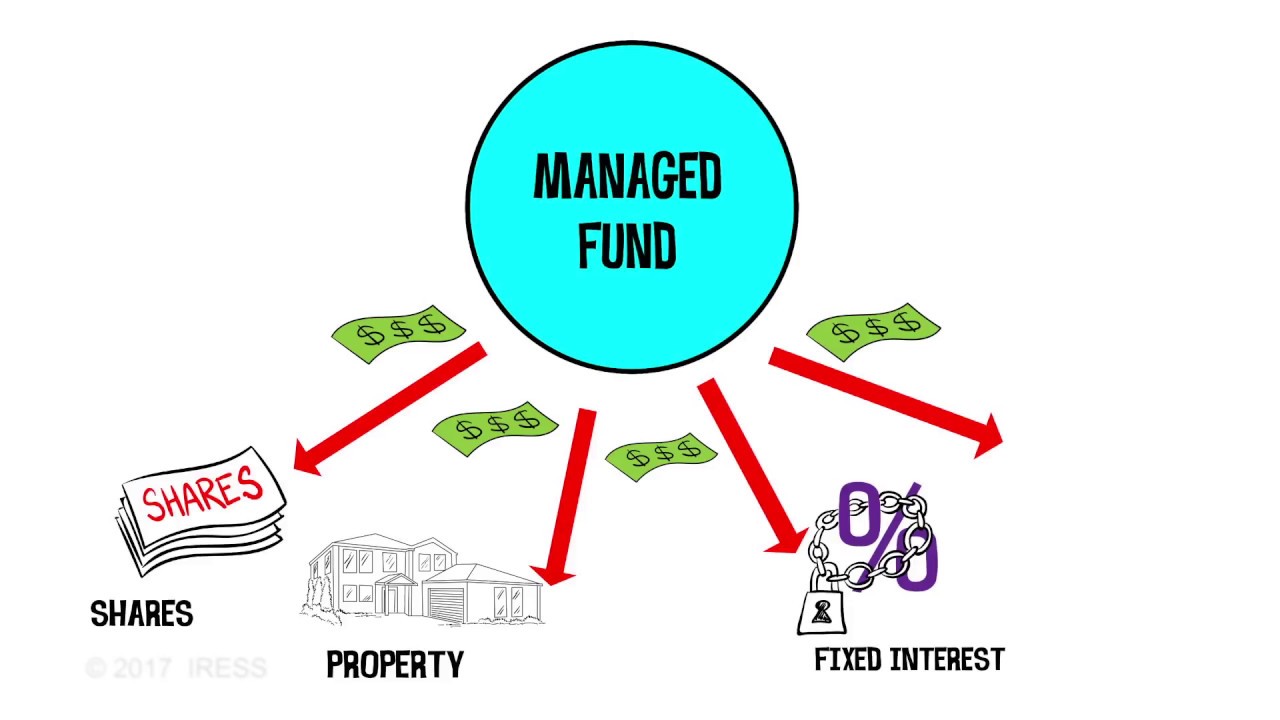
Managed Fund   Whether a managed fund is worth it depends on various factors and individual preferences. Here are some considerations to help you evaluate the worth of a managed fund: 1. Professional Expertise: These funds are typically managed by professional fund managers who have expertise in investment strategies and market analysis. If you lack… Read More »

When does LLP repayment start?

LLP repayment start   Here are some general considerations: Loan Agreement: The loan agreement specifies the terms and conditions of the loan, including the repayment schedule. It typically indicates when the repayment obligations begin, such as a specific date or a certain period after the loan disbursement. Grace Period: Some loan agreements may include a… Read More »

What is considered liquid net worth?

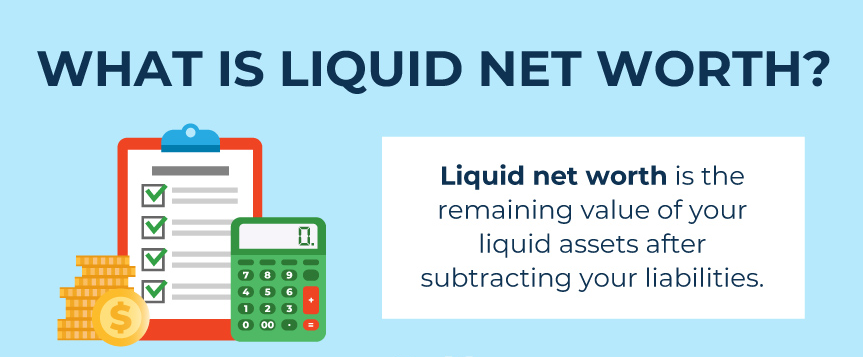
Considered Liquid Net Worth   What Is Considered Liquid Net Worth? Liquid net worth is a key financial metric that helps measure your financial health by looking at how much money you can quickly access. It’s the portion of your wealth that can be easily converted into cash to cover expenses or emergencies. What Are… Read More »