Tag Archives: #BusinessStructure

OPC or sole proprietorship?
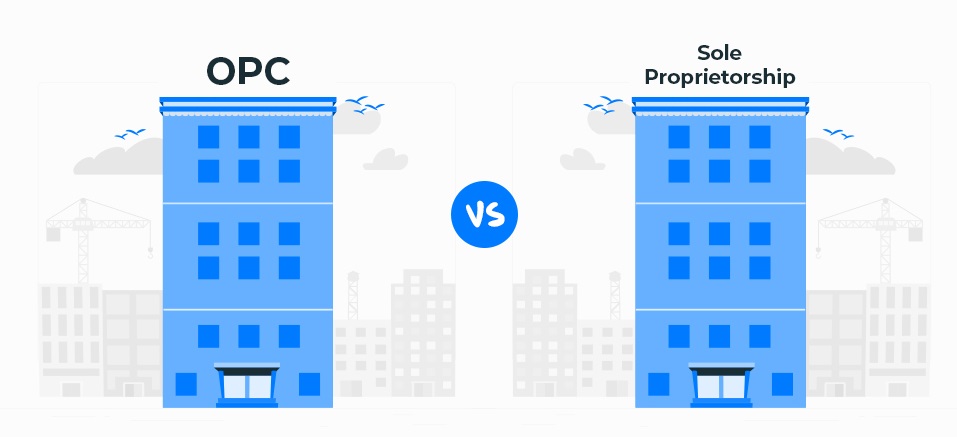
OPC or Sole Proprietorship     Here’s an overview of each: OPC (One Person Company): OPC is a legal business structure that allows a single individual to establish a company with limited liability. It provides benefits such as separate legal identity and limited liability protection, meaning the personal assets of the owner are generally protected… Read More »

Can a private limited company be a proprietor of a firm?

Can a Private Limited Company Be a Proprietor of a Firm?   In the world of business, understanding the structure and legalities of different entities is crucial. One common question that arises is, “Can a Private Limited Company be a proprietor of a firm?” To answer this, we first need to clarify the distinctions between… Read More »

What is business registration license ?

  Business registration license A business registrations, also known as a business license or trade license, is a legal document issued by the government or local authority that grants permission for a business to operate within a specific jurisdiction. It serves as evidence that the business has met the necessary requirements and complied with the… Read More »

OPC is a statutory company?

Statutory company   Statutory company: OPC (One Person Company) is not a statutory company. OPC refers to a type of business structure or legal entity recognized in certain jurisdictions, including India. It is a form of company where a single individual can establish a separate legal entity and enjoy limited liability protection similar to a… Read More »

How do you register a partnership?

Registering partnership   Registering partnership,The process of registering a partnership can vary depending on the jurisdiction where you plan to operate. However, here are some general steps involved in registering a partnership: Choose a Business Name: Select a unique name for your partnership that complies with any naming requirements or restrictions in your jurisdiction. Partnership… Read More »

How do business partnerships work?

Business partnerships work Introduction Business partnerships have long been a vital component of commerce, enabling businesses to leverage combined resources, expertise, and capital to achieve mutual success. Whether small startups or multinational corporations, partnerships allow businesses to expand their capabilities and market reach. Understanding how business partnerships work is essential for entrepreneurs and investors looking… Read More »

When does a company become private limited?

Private limited company formation   Private limited company formation,A company becomes a private limited company upon fulfilling certain legal requirements and obtaining the necessary approvals from the regulatory authorities. The key steps for a company to become a private limited company are as follows: Incorporation: The company must go through the process of incorporation, which… Read More »

Where to register a Private Limited Company?

Private limited company registration process Where to Register a Private Limited Company in India: A Comprehensive Guide Starting a private limited company in India is a significant step towards establishing a formal business structure with numerous benefits, including limited liability protection and the ability to raise capital. One of the first steps in this process… Read More »

Can a partnership file as an s-corp?

  Partnership file as an s-corp   What is a Partnership? A partnership is a business arrangement in which two or more individuals collectively own and manage the business. Partnerships are relatively simple to form and manage. The income and losses of the partnership flow through to the partners’ individual tax returns, avoiding the double… Read More »

Why private limited company?

Why private limited company There are several reasons why individuals choose to register a company as a private limited company: Limited Liability Protection: One of the key advantages of a pvt. limited company is limited liability protection. This means that the personal assets of the shareholders are generally protected in case the company incurs debts… Read More »