When is a TDS required?
When is a TDS required When is a TDS required:  TDS (Tax Deducted at Source) becomes mandatory when a person or entity makes certain specified payments. The requirement for TDS arises when the provisions of the tax laws mandate the deduction of tax at the source of payment. The specific situations where TDS is require… Read More »

Why TDS was introduced?

Introduction of TDS   Introduction of TDS,The concept of Tax Deducted at Source (TDS) was implement to streamline the process of tax collection, enhance adherence to tax regulations, and tackle the diverse issues encountered by tax authorities. Here are some reasons why TDS was introduced: Revenue Assurance: TDS helps in ensuring a steady flow of… Read More »

TDS compliance due dates?

Introduction Tax Deducted at Source (TDS) is a critical component of the Indian taxation system designed to collect tax at the source of income. The system ensures that tax liabilities are cleared at the point of income generation, thereby minimizing tax evasion and improving government revenue collection. Understanding TDS compliance due dates is essential for… Read More »

Are secretarial standards mandatory?

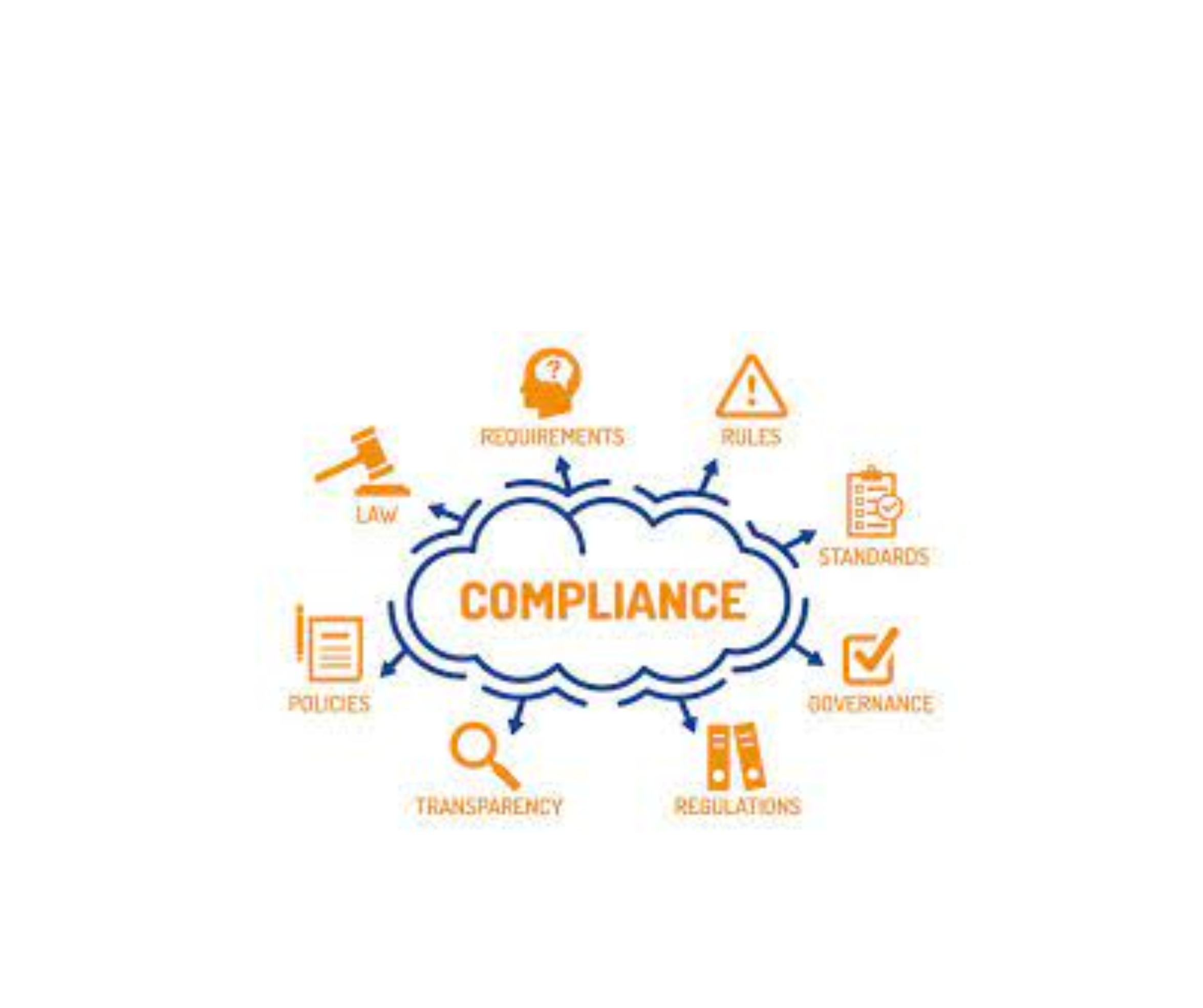
Secretarial Standards Secretarial Standards, Indeed, specific corporations in India are obligate to adhere to secretarial standard, ensuring their compliance with regulatory requirements. The Institute of Company Secretaries of India (ICSI) has issued Secretarial Standard that are applicable to companies based on their size, turnover, and other criteria. Secretarial Standards provide guidelines and rules for the… Read More »

What are the new compliance under gst?

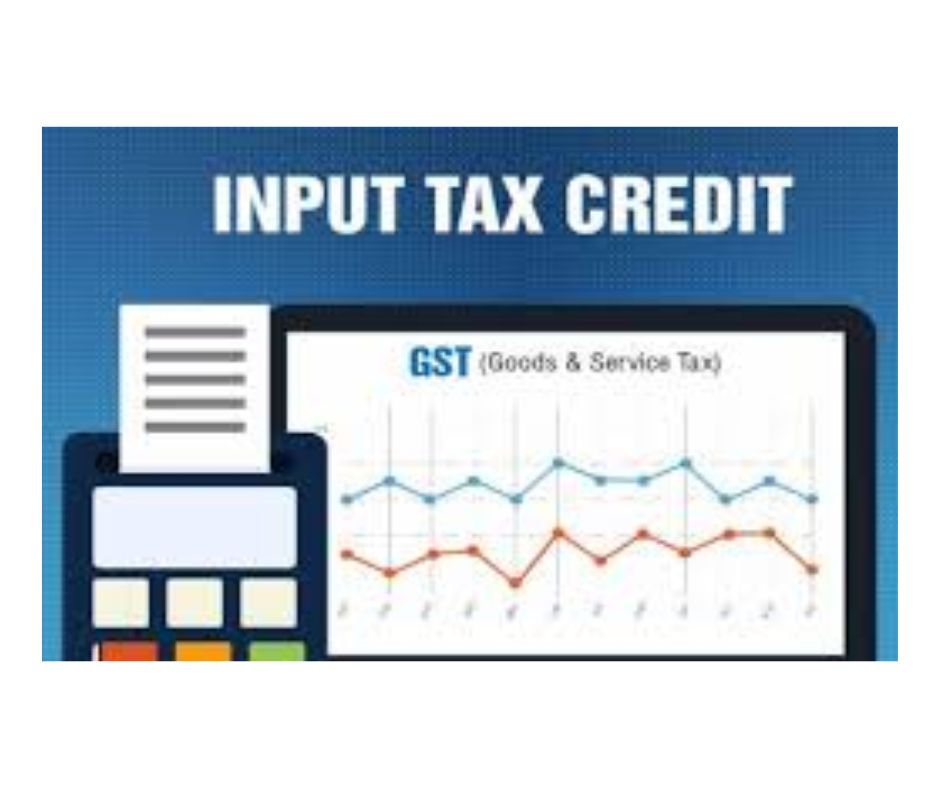
    User Intent The intent behind this article is to inform businesses, tax professionals, and stakeholders about the latest GST compliance updates in India for 2025. It aims to offer a detailed, step-by-step analysis of each change, including definitions, applications, benefits, limitations, comparative insights, and answers to frequently asked questions.​ Introduction As the Indian… Read More »