What assets should be Capitalized?

     Capitalized Asset   Capitalized Asset, In accounting, assets that should be Capitalized Assets are those that meet specific criteria and are expected to provide economic benefits to the company beyond the current accounting period. Capitalizing an asset means recording it on the balance sheet as a long-term asset rather than immediately expensing it.… Read More »

Difference between no dues Certificate and no Objection Certificate?

No Dues and No Objection Certificate  A “No Dues Certificate” and a “No Objection Certificate” are two different types of documents used in various contexts. Here are the differences between them: No Dues Certificate: 1.Meaning: A No Dues Certificate, also known as a Clearance Certificate, is a document issued by an individual or organization to… Read More »

Why project status reporting is important?

Project Status Reporting   Project status reporting holds significance for multiple reasons: 1. Communication: Project status reporting facilitates effective communication among project stakeholders, including team members, managers, clients, and other relevant parties. It keeps everyone informed about the project’s progress, key milestones, issues, and risks. Clear and regular communication helps align expectations, promotes transparency, and… Read More »

When valuing Certain financial instruments?

Financial Instruments Financial Instruments, When valuing certain financial instruments, such as stocks, bonds, derivatives, or other securities, various valuation techniques and methodologies can be apply. The choice of valuation method depends on the specific instrument and market conditions. Here are some commonly used valuation approaches: 1.Market Approach: The market approach relies on market-based data and… Read More »

When LLP is required ?

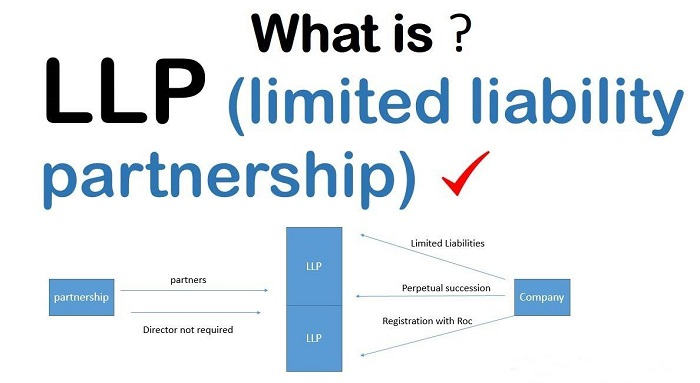
When LLP is required     A Limited Liability Partnership (LLP) may be required in various situations depending on the jurisdiction and specific regulations.  Here are some common scenarios where an LLP may be required: 1.Professional Services: In many jurisdictions, certain professional services such as legal, accounting, architectural, and consulting services are required to be… Read More »

Can Assets be Depreciated?

Asset Depreciation: Can Assets Be Depreciated? When businesses or individuals purchase assets like machinery, equipment, or buildings, these assets typically wear down or lose value over time. This natural decline in value is recognized as depreciation. But, can all assets be depreciated? Let’s break it down. What is Depreciation? Depreciation is the accounting process of… Read More »

When are LLP tax returns due?

When Are LLP Tax Returns Due   Limited Liability Partnerships (LLPs) have become a popular business structure for entrepreneurs and professionals due to their flexibility and limited liability protection. However, like any other business entity, LLPs must comply with tax regulations, including filing income tax returns. Understanding when LLP tax returns are due is crucial… Read More »

Is a managed fund worth it?

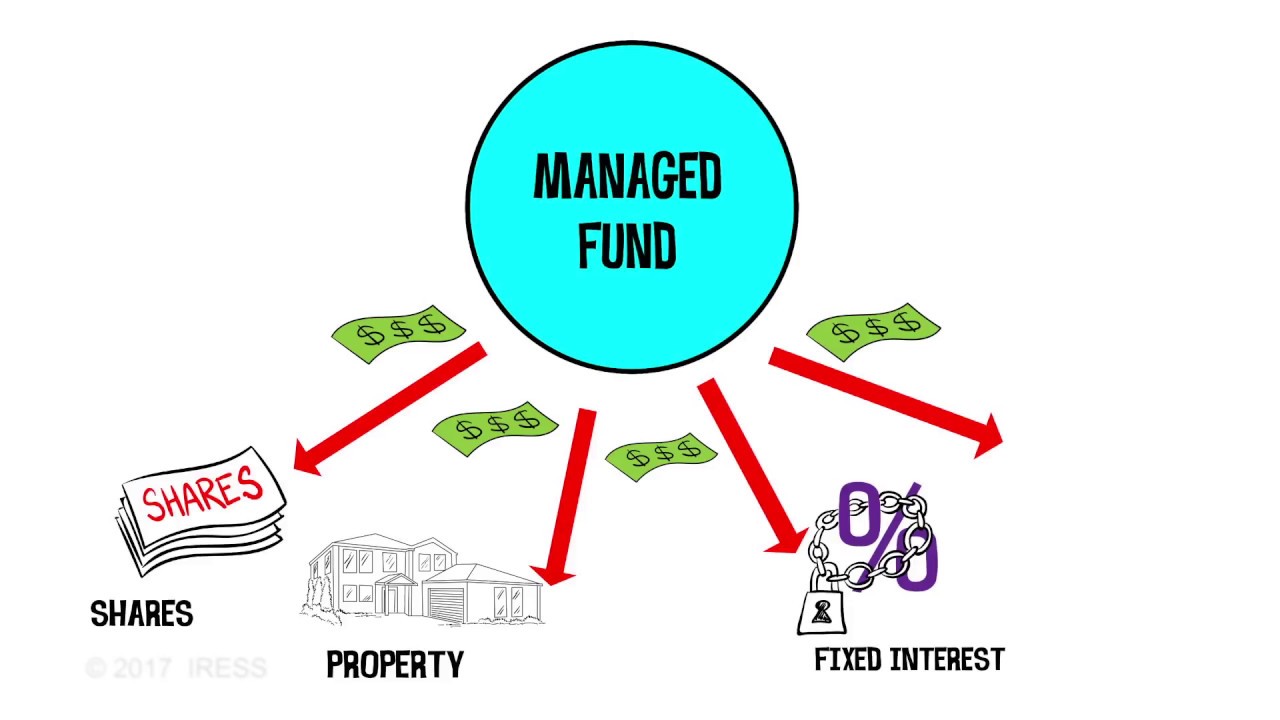
Managed Fund   Whether a managed fund is worth it depends on various factors and individual preferences. Here are some considerations to help you evaluate the worth of a managed fund: 1. Professional Expertise: These funds are typically managed by professional fund managers who have expertise in investment strategies and market analysis. If you lack… Read More »

What is a Statutory Certificate?

Statutory Certificate definition   A Statutory Certificate definition an official document issued to certify compliance with specific statutory requirements or legal obligations. These certificates obtained to demonstrate adherence to the laws, regulations, or standards set by government authorities or regulatory bodies. Statutory certificates typically obtained in various areas of legal compliance, such as tax. Labor… Read More »