





📉 Asset or Liability? The Shocking Truth Every Business Must Know
🎯 You’re probably here because you’re wondering:
👉 “Is input tax something I owe or something I own?”
👉 “Does it benefit my business or burden it?”
This article breaks down the truth behind it, revealing whether it’s an asset or a liability, how it works, and what it really means for your business.
🔍 Introduction: The Tax Puzzle No One Talks About
Let’s face it—taxes can feel like a maze.
And input tax? It’s one of those confusing terms that sounds harmless… until you realize its impact on your cash flow, balance sheet, and bottom line.
Many business owners overlook it, mislabel it, or don’t understand what it means. But here’s the suspenseful twist: It could either make or break your profit game, depending on how you treat it.
🧠 “Label it wrong, and your financials suffer. Handle it right, and it becomes a silent asset.”
So, is it a financial burden or a secret weapon? Let’s unpack the mystery.
🧾 Definition
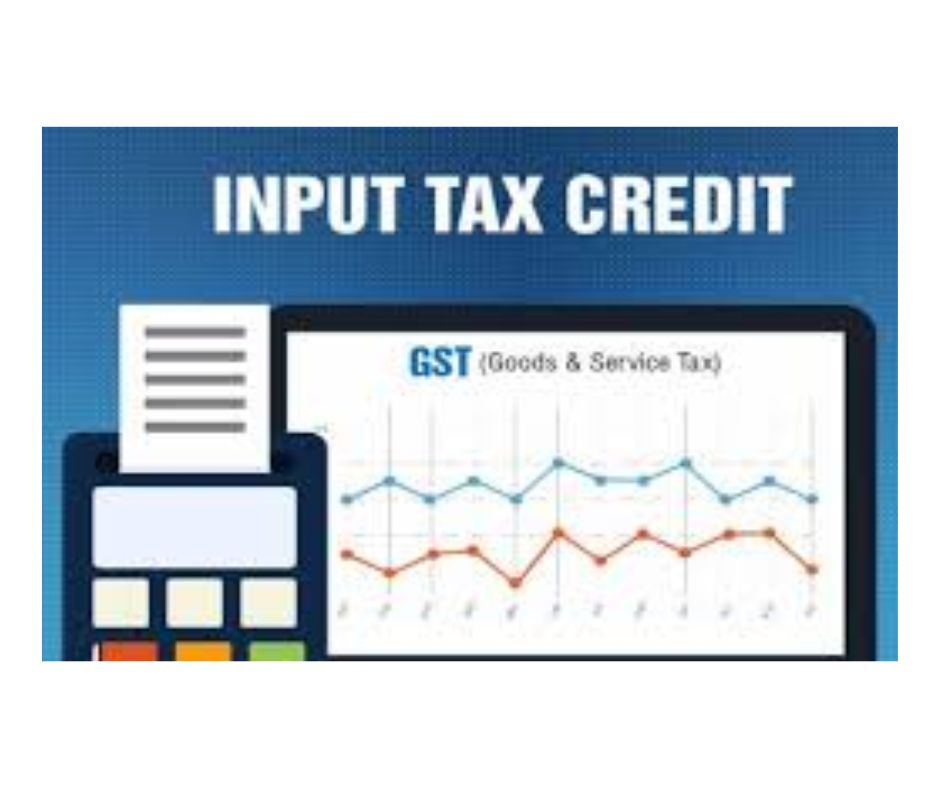
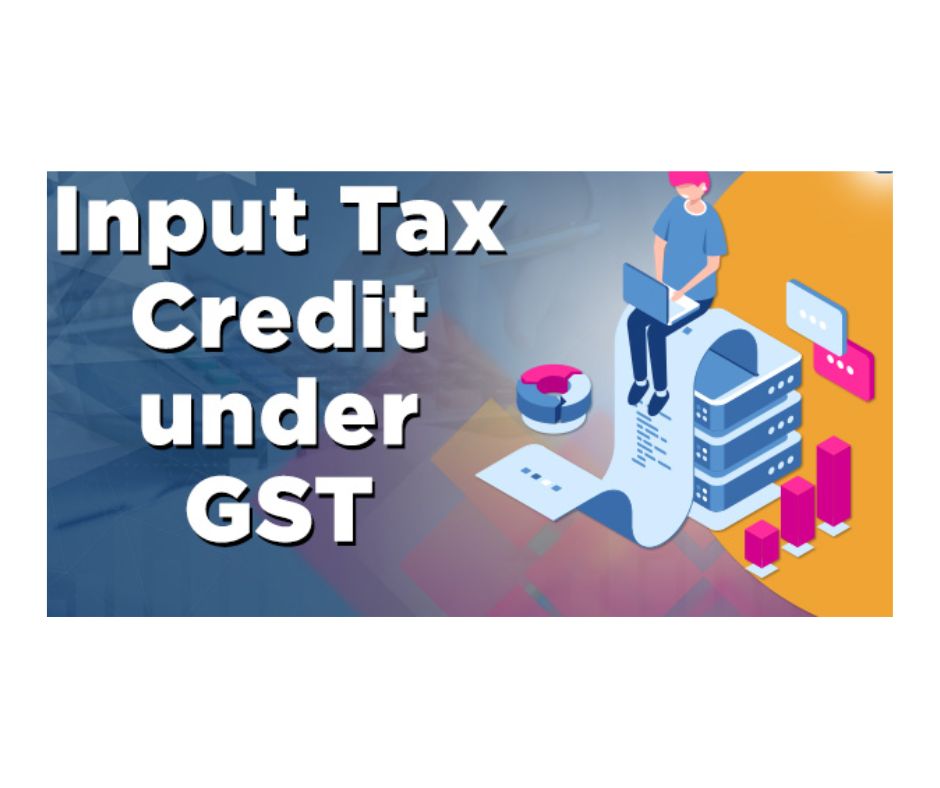
It refers to the GST or VAT business pays on purchases and expenses. If the business is registered under GST or VAT, it can claim this tax back—making it a recoverable amount.
👉 Therefore, It is considered a current asset in accounting, not a liability, because it represents a benefit the business expects to receive in the form of a refund or a tax offset.
📘 In accounting terms:
Input tax is recorded under “Input Tax Credit (ITC)” on the asset side of the balance sheet.
🔁 When Can It Act Like a Liability?
If tax is wrongfully claimed, not supported by proper documentation, or subject to reversal, it may be treated as a liability—especially if penalties or repayments arise.
🛠️ Application
Input tax is the Goods and Services Tax (GST) or Value Added Tax (VAT) paid on purchases and expenses a business makes. It’s common in countries like India, UK, Canada, Australia, and more.
🧾 Examples in Action:
-
Buying raw materials for production
-
Paying for electricity, rent, or maintenance
-
Hiring service providers (consultants, agencies)
Here’s the twist: 💰 If your business is registered under GST/VAT, you can claim this tax back when filing returns. That’s where the magic happens.
🌟 Benefits
If treated right, It becomes your financial cushion.
✅ 1. Reclaim Your Money
The most powerful part? You can offset input tax against output tax (the tax you collect from customers), and the balance can be claimed or adjusted.
✅ 2. Reduces Tax Burden
The more legitimate business expenses you incur, the more input tax you can claim—lowering your net tax liability.
✅ 3. Improves Cash Flow
Reclaiming input tax adds liquidity to your business, giving you more room to invest and operate.
✅ 4. Supports Compliance
Claiming input tax the right way keeps your records clean, your audits smooth, and your credibility high.
💡 Claiming input tax properly can boost your business’s financial accuracy and reduce audit risks by up to 40%.
⚠️ Limitations
Despite its benefits, there’s a darker side you need to know.
❌ 1. Unclaimable Categories
You can’t claim input tax on personal expenses, restricted goods, or exempted services. Misclassification could trigger penalties.
❌ 2. Complex Documentation
To claim input tax, you must maintain valid invoices, GSTIN of suppliers, and timely return filings. Miss one? You might lose your claim.
❌ 3. Delayed Refunds
In many jurisdictions, claiming input tax refunds can take months—slowing down your cash flow.
❌ 4. Risk of Reversal
If your supplier doesn’t file their GST return, your input tax claim might be denied or reversed.
⚠️ One incorrect entry, and your input tax becomes a liability—literally.
⚖️ Comparison: Asset vs Liability –
| 📌 Feature | 🟢 Asset View | 🔴 Liability View |
|---|---|---|
| 📘 Definition | Recoverable tax paid on purchases | Tax owed to the government |
| 🧾 Accounting Treatment | Shown under current assets (Input Tax Credit – ITC) | Shown as liability if over-claimed or due for reversal |
| 💼 Impact on Business | Improves cash flow & reduces tax | Creates risk if improperly claimed |
| 📊 Outcome | Refund or offset possible | Penalty or interest applicable |
🔍 Verdict:
It is generally an asset—but only when correctly claimed and managed. Otherwise, it becomes a potential liability.
❓ FAQs: Burning Questions Answered
🔹 Q1. Can input tax become a liability?
Yes—but only in specific cases. For example, if your supplier doesn’t file their GST return or if you wrongly claim it on personal or exempted items, the credit can be reversed, turning it into a tax liability plus interest or penalties.
🔹 Q2. How do I claim input tax as an asset?
To claim input tax, you must:
-
Be a GST-registered business
-
Have valid tax invoices
-
Use the purchases for taxable business supplies
-
Ensure your supplier has filed their returns properly
🔹 Q3. What happens if I don’t claim input tax?
You lose the chance to reduce your GST liability or receive a refund. That means higher tax payments and lower profits.
🔹 Q4. Is input tax refundable?
Yes, if your input tax is higher than your output tax, you may be eligible for a refund. However, the refund process varies by country and may take time, especially if documentation is incomplete.
🔹 Q5. Do all purchases qualify for input tax credit?
No. tax credit cannot be claimed on:
-
Personal expenses
-
Non-GST purchases
-
Items like food, entertainment, or motor vehicles (in many cases)
Always check local tax laws to avoid disallowed claims.
🔹 Q6. How do tax authorities verify input tax claims?
Authorities match your claims against your supplier’s returns using GST return filings. Any mismatch can trigger rejection, reversal, or penalties. That’s why accurate and timely compliance is essential.
🔹 Q7. Can individuals claim input tax?
No. Only businesses or individuals registered under GST/VAT systems can claim it. Regular consumers cannot claim any credit or refund on the tax they pay.
🧩 Conclusion: Asset, Liability, or Both? The Truth Is…
✅ It’s an asset when you understand it, track it, and claim it right.
❌ It’s a liability when it’s mismanaged, ineligible, or unsupported by documents.
🎯 Bottom line: Input tax isn’t just a boring tax concept. It’s a strategic tool—use it wrong and it’s a trap, use it right and it’s a treasure.
Now that you know the truth, ask yourself:
Are you letting your input tax work for you—or against you?
Related Links

For further details access our website https://vibrantfinserv.com
To visit: https://www.mca.gov.in/
Contact: 8130555124, 8130045124
Whatsapp: https://wa.me/918130555124
Mail ID: operations@vibrantfinserv.com
Web Link: https://vibrantfinserv.com
FB Link: https://fb.me/vibrantfinserv
Insta Link: https://www.instagram.com/vibrantfinserv2/
Twitter: https://twitter.com/VibrantFinserv