Author Archives: kbadmin

Is drafting balance sheet mandatory for textile and clothing traders and stores?
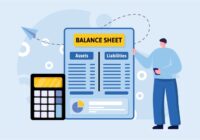
Balance Sheet Mandatory for Textile Whether drafting a balance sheet is mandatory for textile and clothing traders and stores depends on the country and state in which they operate. In India, for example, it is mandatory for all businesses, regardless of industry, to maintain a balance sheet and other financial statements. This is the case… Read More »
What specific financial records should textile traders maintain for the statutory audit?

Textile Traders   Sure, here are the specific financial records that textile traders should maintain for the statutory audit: 1. Cash book: This records all cash receipts and payments. 2. Bank statement: This records all transactions made through the bank account. 3. Purchases journal: This records all purchases of goods and materials. 4. Sales journal:… Read More »

What are the key objectives of statutory audit for Grocery & Merchandise Stores?

Objectives of Statutory Audit for Grocery   Here are the main objectives of a statutory audit conducted for Grocery & Merchandise Stores: 1. Evaluate Compliance and Accuracy: Verify if the financial statements adhere to the relevant financial reporting framework. This involves ensuring that the statements are presented accurately and fairly, following all pertinent accounting standards.… Read More »

What types of accounts should a textile trader have in their chart of accounts?

Bookkeeping for Textile and Clothes   Bookkeeping for Textile and Clothes Sure, here are the types of accounts that a textile trader should have in their chart of accounts: 1. Assets: These are resources owned by the business, such as cash, accounts receivable, inventory, and property, plant, and equipment. 2. Cash: This is the money… Read More »

What is the purpose of a balance sheet for textile and clothing traders and stores?

Balance sheet for textile and clothing trade   Here are the purpose of a balance sheet for textile and clothing trade and stores:  1. To track the company’s assets, liabilities, and equity. A balance sheet shows what a company owns (assets), what it owes (liabilities), and the difference between the two (equity). This information can… Read More »