Author Archives: kbadmin

NetWorth V/s Liquid Capital?
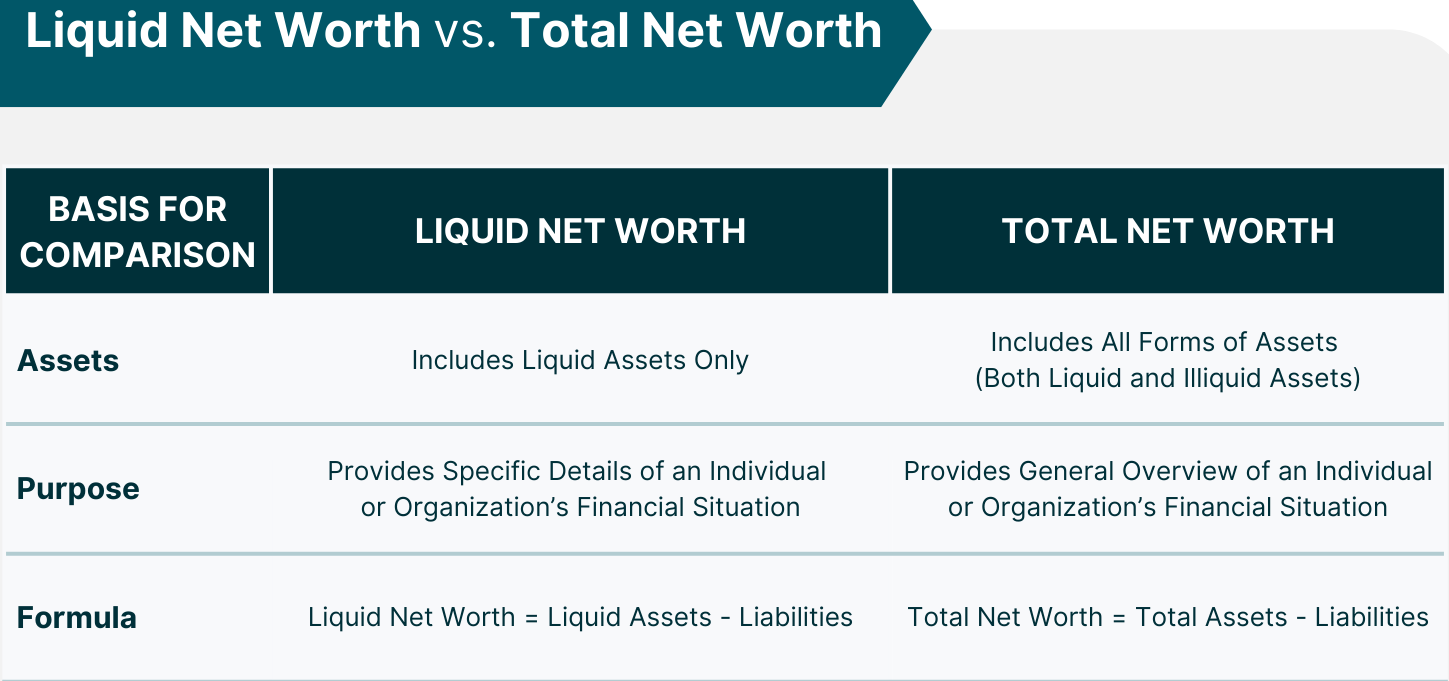
NetWorth V/s LiquidCapital NetWorth v/s LiquidCapital are both financial terms used to assess an individual’s or organization’s financial position, but they represent different aspects of financial resources. Here’s a comparison between the two: Net Worth: Net worth refers to the total value of an individual’s or organization’s assets minus its liabilities. It provides a snapshot… Read More »


Turnover certificate sample?

Turnover certificate sample [Your Company Logo] [Company Name] [Company Address] [City, State, ZIP Code] [Phone Number] [Email Address] [Website] [Date] Turnover Certificate To whom it may concern, This is to certify that [Company Name], a registered and incorporated company under the laws of [Country], has achieved a turnover of [Amount in Currency] during the financial… Read More »

Can LLP be a member of a company?

Can LLP be a member of a company   Can LLP be a member of a company, an LLP (Limited Liability Partnership) is allowed to join as a member of a company. The specific regulations and requirements regarding membership in a company can vary depending on the jurisdiction and the type of company in question.… Read More »

LLP partners liable for debts right or wrong?

    User Intent Users searching for information about LLP (Limited Liability Partnership) partners’ liability for debts want clarity on whether partners are responsible for the firm’s financial obligations. This article provides a comprehensive breakdown of their legal responsibilities, benefits, limitations, and comparisons to other business structures. Introduction When forming a business, choosing the right… Read More »

Tax planning with reference to amalgamation of companies?

Amalgamation of companies Amalgamation of companies “Tax Planning in Company Amalgamations”: Tax planning, within the context of amalgamation of companies, refers to the strategic approach of structuring the transaction in a way that minimizes the tax implications for the participating companies and shareholders. Here’s a unique perspective on tax planning with reference to company amalgamations:… Read More »

Can LLP be converted to Pvt Ltd?

Can LLP be converted to Pvt Ltd   Can LLP be converted to Pvt Ltd: In certain jurisdictions, there exists the possibility of converting an LLP (Limited Liability Partnership) into a private limited company (Pvt. Ltd.). However, the process and requirements for transformation can vary depending on the specific laws and regulations of the jurisdiction… Read More »

Tax planning and management?

Tax planning and management Distinguishing Between Tax Planning and Tax Management: Tax Planning: Tax planning involves the strategic analysis and decision-making process aimed at minimizing tax liabilities while remaining compliant with tax laws. It focuses on utilizing available tax incentives, deductions, credits, and exemptions to optimize tax outcomes. Key characteristics of tax planning include: For… Read More »

Can LLP merge with company?

      LLP merge:  Merging an LLP with a company typically involves a legal process.  Where it includes the assets, liabilities, and legal entity of the LLP are combined with those of the company. The resulting entity is usually a company, and the LLP ceases to exist as a separate legal entity.  The merger… Read More »

Can LLP trade in derivatives?

  Can LLP trade in derivatives? The capability of a Limited Liability Partnership (LLP) to engage in derivatives trading can be influenced by several factors, such as the jurisdiction in which the LLP operates and the particular laws and regulations governing such activities. However we can explain “Can LLP trade in derivatives?” Governing partnerships, and… Read More »

Tax planning with reference to dividend policy?

Dividend policy Tax planning with reference to dividend policy involves structuring the payment of dividends in a tax-efficient manner. Here are some key tax planning considerations in relation to dividend policy: Dividend Distribution Tax (DDT): In certain jurisdictions, companies are required to pay DDT on the distribution of dividends. Tax planning can involve assessing the… Read More »